India · September 2024
Amritsar
Two days in the middle of a longer loop. The war memorial in hard afternoon light, the border at sunset, and the Harmandir Sahib the next morning while the marble was still cold.

Two days in the middle of a longer loop — Chandigarh before, the Kangra valley after. Amritsar hands you its three landmarks in a particular order if you arrive after lunch: the war memorial while the light is still hard, the border at sunset, and the Harmandir Sahib the next morning, early enough that the marble is still cold underfoot.
The sword on the Attari road

The Punjab State War Heroes' Memorial stands on the road out towards the border, and you see the sword long before the entrance — forty-five metres of stainless steel angled out of the ground, with nothing else tall anywhere near it.
Inside, the galleries run chronologically: the Anglo-Sikh wars, the two World Wars, 1965, 1971, Kargil. Much of it is reconstructed trenches and dim light, which makes it excellent for children and difficult for photographs.

Fig. 1 A trench, rebuilt indoors, in one of the early galleries.
Wagah, before sunset
The beating retreat runs every evening at the Attari–Wagah crossing, half an hour west of the city. The stands fill a full hour before anything happens, and the hour is the point — a compère working the crowd, patriotic songs, people carrying the flag down the road and back.

Fig. 2 The stands, an hour early. The gate is the pale structure at the far end.

The road kept clear, and the gate beyond it.

The Border Security Force, mid-ceremony.
The ceremony is choreography performed twice over, simultaneously — the BSF on this side, the Pakistan Rangers on the other, the same high kicks and the same bristling, timed to the second. It ends with both flags coming down together and the gates shut.

India's first line of defence, as the sign has it.

Afterwards, everyone leaves at once.
Heritage Street, after dark

The gateway at the end of Heritage Street.

The approach, still busy at ten.
First light at the Harmandir Sahib

Fig. 9 Across the sarovar, a little after seven.

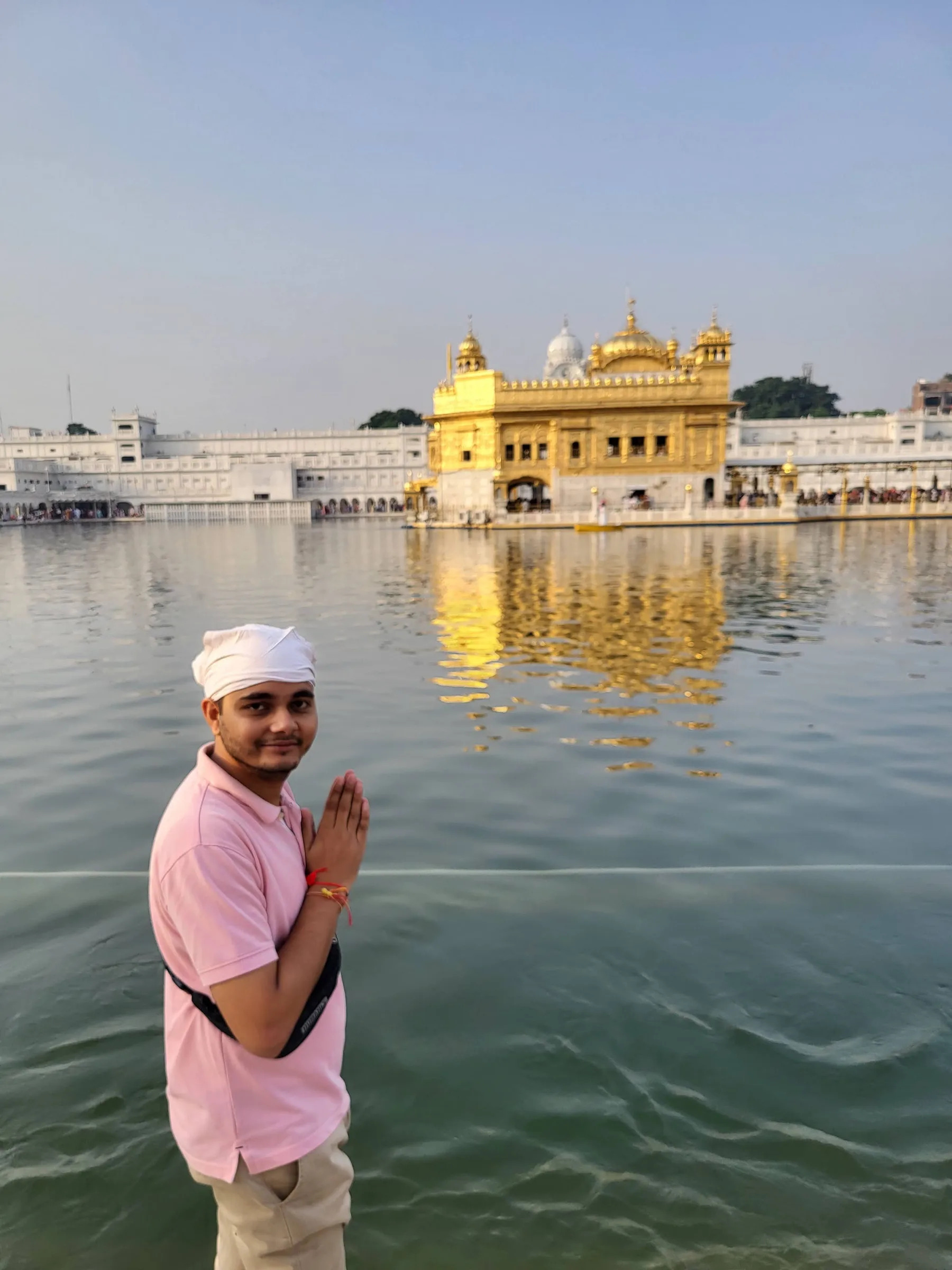

Figs. 10—12 The parikrama is walked barefoot and clockwise; the tank holds the reflection whole until the wind gets up.
The gold is only the upper storeys — everything at eye level is white marble. By half past seven the causeway out to the shrine had a queue along its whole length. Behind the complex the langar serves free meals to anyone who sits down, all day, every day, and has done for centuries.
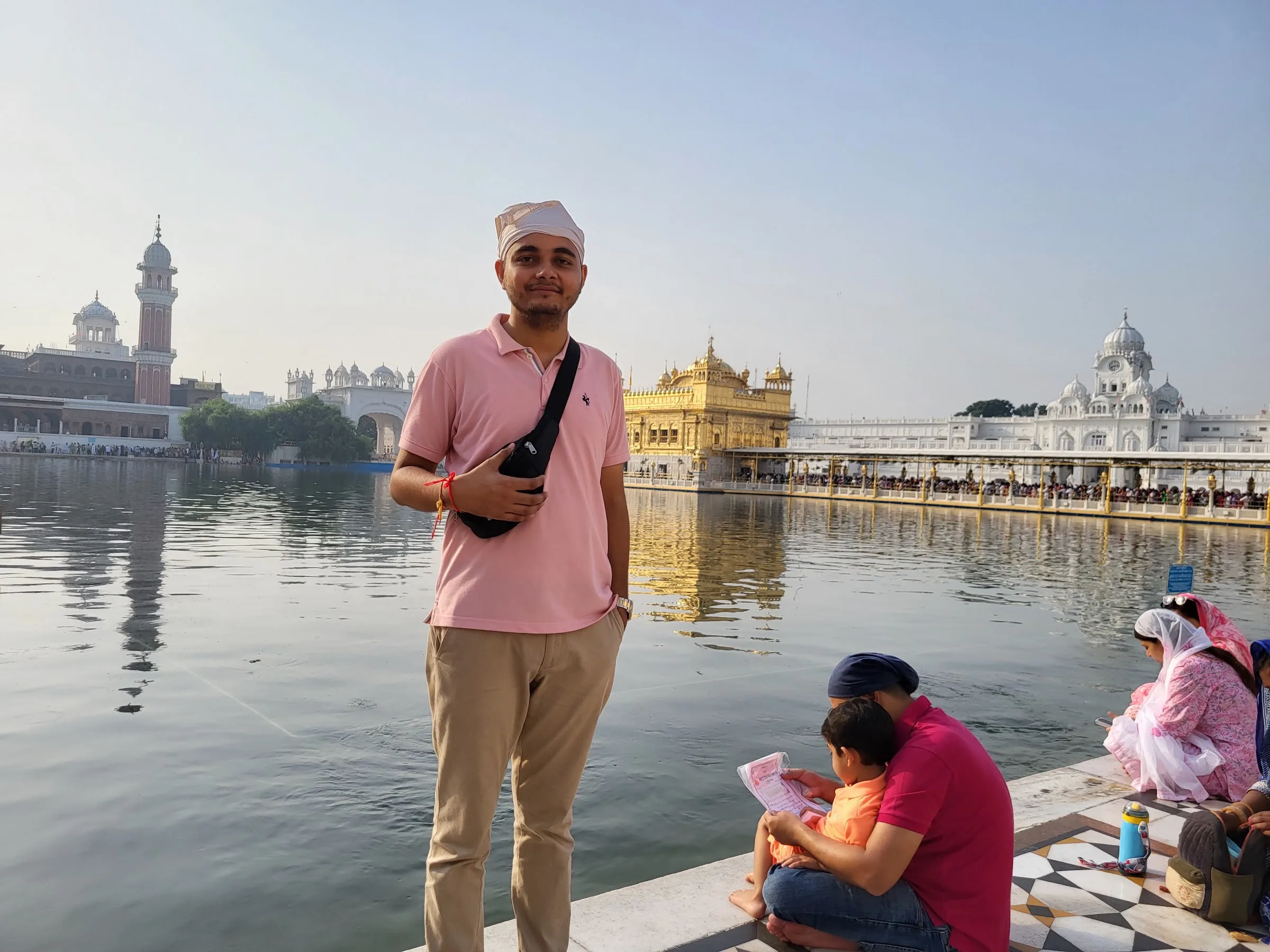
Fig. 13 The shrine sits in the middle of the water, reached by one causeway.

Fig. 14 Jain Temple @ Amritsar
Jallianwala Bagh
The lane in was the only lane out. That is the whole of what happened here.

The garden is a five-minute walk from the temple, through a passage narrow enough that two people pass sideways. On 13 April 1919 that passage was the only way in or out of an enclosed ground holding several thousand people. Troops under Colonel Dyer blocked it and fired for about ten minutes.
The flame memorial went up in 1961. The walls still carry the bullet marks, kept behind glass and labelled.